
Sustainability in home remodeling rarely gets the practical breakdown it deserves. For efficient home remodeling, especially where flooring is concerned, it starts with three honest questions: how long will the material hold up, what went into making it, and what happens once it wears out? Nashville homeowners thinking past the short term will find that working with a dedicated renovation team means getting real answers to these questions before a single plank gets installed.
We install flooring across every material category, including hardwood, LVP, tile, carpet, and natural stone. The sustainable case for some of these materials is stronger than most people expect going in.
Hardwood: A Renewable Material That Lasts Generations
Responsibly sourced hardwood is one of the more sustainable flooring choices available. Wood is a renewable material, and when it comes from well-managed forests, its environmental footprint is significantly lower than synthetic flooring produced from petroleum-based materials.
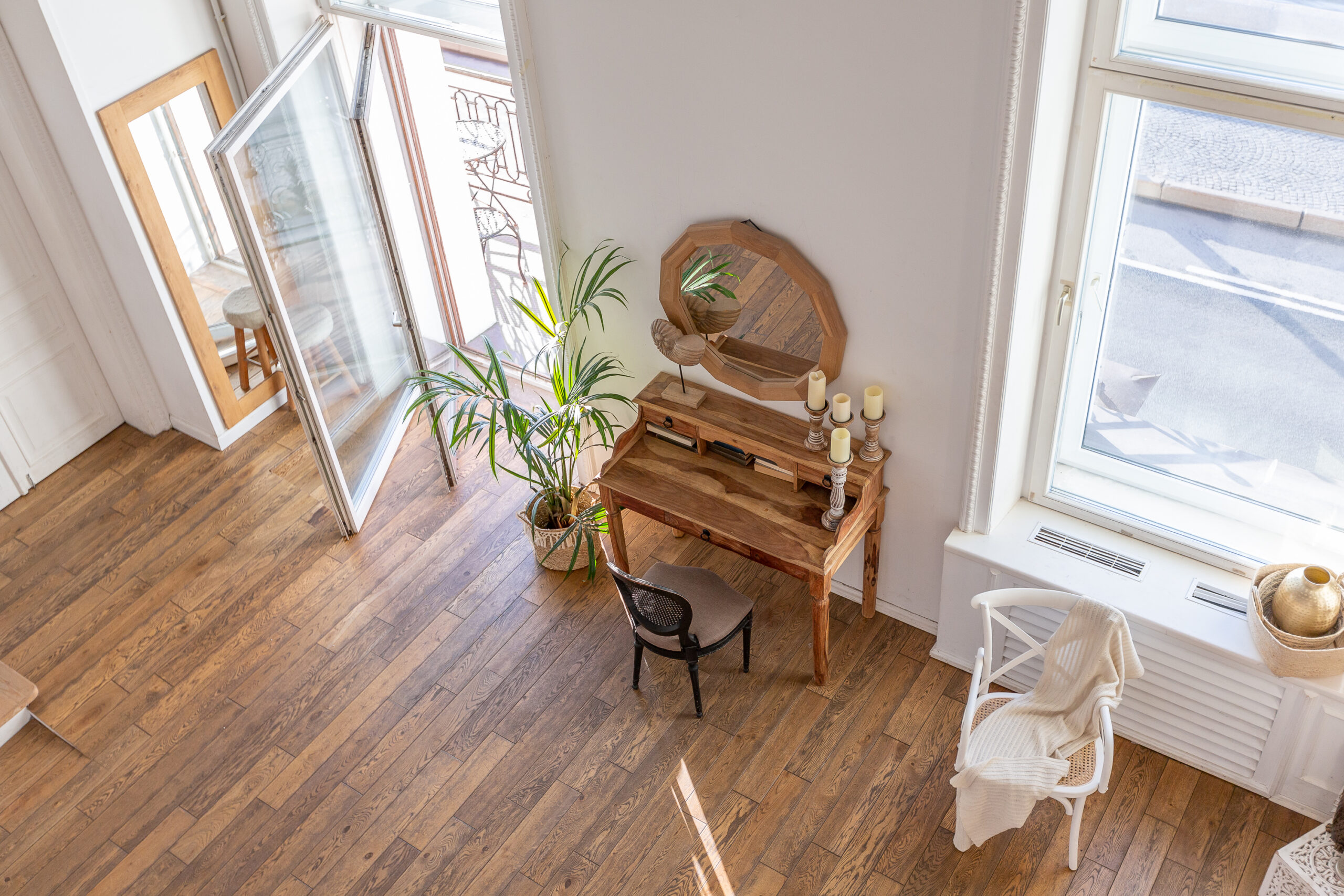
What makes hardwood especially sustainable in practice is its lifespan. A solid hardwood floor can be refinished multiple times over its life, which means the floor installed during a kitchen renovation can be restored to near-original condition decades later. Nashville homeowners in older neighborhoods like Sylvan Park, Belle Meade, and Germantown come across original hardwood floors during renovation projects all the time, boards that may be 60 or 70 years old and still structurally sound. That material gets sanded and refinished rather than torn out and replaced.
That longevity represents a fundamentally different relationship with the floor than most synthetic products offer. When a hardwood floor finally reaches the end of its useful life, the wood itself is biodegradable. The same can’t be said for most of its alternatives.
Kimberly Ortiz-Ramirez, who has worked with us on multiple projects, described what that long-term value looks like from a client’s perspective:
“We’ve used BNG Remodel twice now and will continue to use them in the future! First our floors and now our kitchen. Brittney sees each project all the way through and always makes sure it is up to our satisfaction.” – Kimberly Ortiz-Ramirez, Google, January 2024
Luxury Vinyl Plank: Longevity as a Form of Sustainability
LVP is a synthetic product, and it’s worth being honest about that. It’s made from PVC, which is petroleum-based. In raw-material terms, it doesn’t carry the renewable credentials of hardwood or natural stone.
What changes the conversation is durability. A quality LVP product correctly installed lasts 15 to 25 years before replacement becomes necessary. In a household with active daily use, kids, and pets, a floor that doesn’t need to be ripped out and replaced every several years represents less material consumption and less waste over time. That’s a real sustainability argument, even if it’s less visible than the material’s origin.
There’s also a practical Nashville-specific consideration. In older construction across Hendersonville, Smyrna, and East Nashville, an LVP floor installed over a properly prepared subfloor may actually outlast a hardwood installation that was fighting the subfloor conditions from day one. A floor that lasts is a floor that doesn’t end up in a landfill ahead of schedule.
Porcelain and Natural Stone Tile: Made to Last Decades
Porcelain tile is one of the longest-lasting flooring materials available. A well-installed porcelain floor in a kitchen or bathroom can realistically last 30 to 50 years without replacement. Natural stone options like travertine, marble, and slate can last even longer with appropriate maintenance. Both are natural or natural-derived materials, and their durability per year of service is difficult to match.
For Nashville kitchens and bathrooms, tile flooring also carries a practical sustainability advantage: it doesn’t absorb water, it doesn’t harbor the mold or mildew that softer flooring materials can develop over time, and it doesn’t require chemical treatments or refinishing products to maintain. A surface that cleans up with water and a standard floor cleaner has a low maintenance footprint over decades of daily use.
The installation process for quality tile is more involved upfront than LVP or carpet. Proper substrate preparation is not optional, and grout lines require occasional maintenance to stay clean and sealed. Done correctly, the tile floor installed during a Nashville kitchen remodel may still be in service long after the rest of the renovation has cycled through another round of updates.
Making a Sustainable Choice That Works for Your Nashville Home
Sustainability isn’t the same choice in every room or every home. Hardwood in a bedroom where moisture isn’t a factor is a different conversation than choosing a kitchen floor that will see daily water exposure. Tile in a high-traffic bathroom makes sense in ways it wouldn’t in a bedroom where warmth underfoot matters. The sustainable choice is the one that actually performs well in its specific application for years to come.
Anthony Spell put it simply after we finished new floors and drywall in his kitchen:
“Brittney and her team did an amazing job installing new floors and dry wall in my kitchen! Everything came out great and everyone was very professional during the entire process.” – Anthony Spell, Google, March 2024
Brittney Reader, our founder, walks every client through the full range of options before any material is selected or ordered. The goal is always a floor that serves the household well for years. Choosing a material that lasts is the most straightforward sustainable decision you can make in a remodel.
Related Topics: