

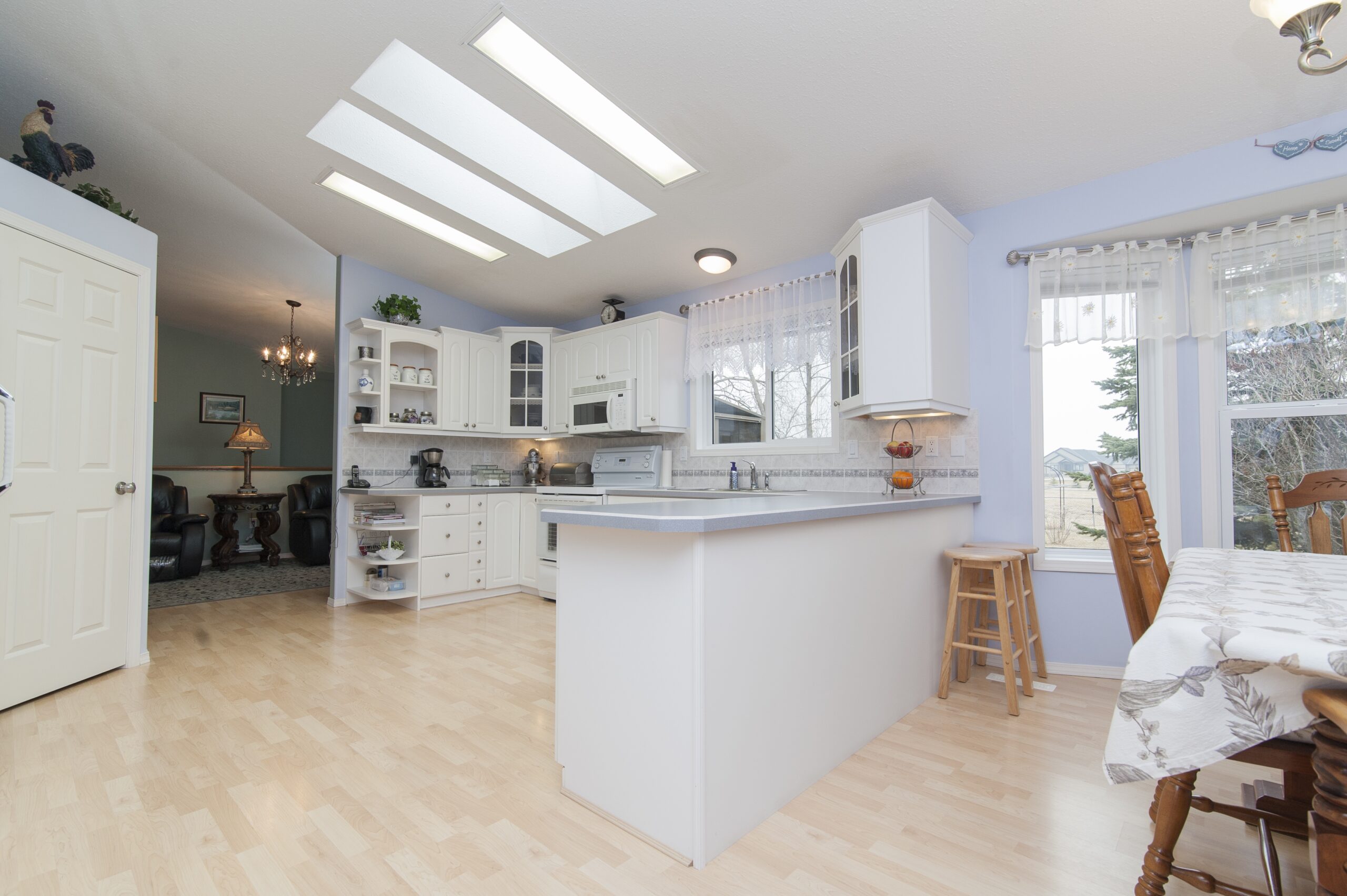
Kitchen flooring is one of the most consequential decisions in a remodel. It is the surface that takes the most foot traffic, absorbs the most spills, and sets the visual foundation for everything else in the room. Licensed kitchen remodeling that addresses subfloor condition and material selection before any flooring goes down prevents premature failures that send homeowners back to the drawing board within five years.
Nashville homeowners have more flooring options than ever, which makes the decision harder rather than easier, and the right answer depends on the condition of the subfloor, how the kitchen connects to adjacent rooms, and what the floor needs to handle over time.
What Makes Kitchen Flooring Different From Other Rooms
Kitchen floors face conditions that living rooms and bedrooms do not. Spills happen constantly; grease from cooking settles on the surface; standing water collects around the sink; and traffic concentrates in a small area around the range, sink, and refrigerator. Dropped items, heavy cookware, and daily cleaning with stronger products all take a toll.
A flooring material that performs well in a bedroom may not be the right choice for a kitchen. Durability, moisture resistance, and ease of cleaning are the primary criteria. Visual appeal matters, but it should follow those three.
Flooring Options for Nashville Kitchen Remodels
Luxury vinyl plank has become the most practical kitchen flooring choice in Nashville remodels for straightforward reasons. It is waterproof, durable, softer underfoot than tile or stone, and available in a wide range of finishes that closely replicate the look of hardwood. For kitchens that transition directly into living areas or hallways where hardwood or LVP is already installed, it’s possible to run a consistent floor from room to room without the moisture limitations of real wood. Wear layer thickness is the most telling specification, since thicker wear layers of 12 mil or more for residential use hold up significantly longer under heavy kitchen use.
Tile is the most durable kitchen flooring option available. Properly installed porcelain tile is nearly impervious to moisture, does not scratch, and will outlast every other material in the home. Porcelain is denser, less porous, and more stain-resistant than ceramic, making it the stronger choice for a kitchen floor that sees heavy daily use. Grout selection and sealing matter as much as tile selection since unsealed grout in a kitchen stains quickly and is difficult to clean. Every tile installation is sealed as part of the project.
Real hardwood in a kitchen is possible, but it requires careful consideration, as wood and water are a difficult combination. In households where hardwood runs continuously from the living area through the kitchen, species and finish selection matter significantly. Harder species like white oak are more durable than softer options, and engineered hardwoods handle minor moisture fluctuations better than solid hardwoods in a kitchen setting.
Natural stone tile, slate, and concrete have specific use cases in Nashville kitchens, typically in higher-end renovations where the aesthetic is the defining priority. Natural stone requires regular sealing and is not maintenance-free; concrete can crack over time if the substrate is not properly prepared; and slate is durable but softer than porcelain. These are not wrong choices, but they require a direct conversation about maintenance expectations before committing.
What to Consider Before Choosing
Subfloor condition is the first consideration. In older Nashville homes, a subfloor with soft spots, water damage, or insufficient thickness for tile installation must be addressed before any flooring is installed. Skipping this step is one of the primary reasons kitchen floors fail prematurely, and subfloor assessment and repair are included in every project.
How the kitchen floor connects to hallways, dining areas, and living rooms affects the home’s visual flow and perceived space. Household use patterns matter too, since a household with young children or pets coming in and out regularly has different needs than a household of two adults.
The budget should also drive material conversations, since tile installation costs more in labor than LVP due to the substrate preparation and setting work involved, and hardwood installation varies by species and subfloor conditions. Line-item estimates specific to the material and the conditions of each kitchen are provided for every project.
Why Installation Quality Matters as Much as the Material
The best flooring material installed poorly performs worse than a mid-grade material installed correctly. Common installation failures in Nashville kitchens include tile with hollow spots from insufficient thinset coverage, LVP installed without adequate expansion gaps that buckle over time, and hardwood installed before it has properly acclimated to the home’s humidity levels.
Subfloor flatness, moisture levels, acclimation time for wood products, and proper setting technique are all handled correctly before the visible surface work begins.
Our Process
Every flooring project starts with a free consultation, where Brittney visits the home, assesses the subfloor, and discusses the material options that make sense for the specific space and household. From there, the process covers subfloor preparation, installation, and a final walkthrough before the job is complete. For kitchen remodels that also involve tile work, painting, or drywall, all trades are coordinated under a single contract with a single timeline.
The team is licensed, bonded, and insured with a BBB Accredited A+ rating and more than 5,086 verified Google reviews from homeowners across Nashville and Middle Tennessee. Call or text (615) 525-8464, or request a free quote to discuss flooring options for a kitchen remodel.
Related Topics: